The chairman of SK Group, which owns leading vendor SK Hynix, Chey Tae-won, conceded at a recent press briefing that memory prices are “abnormally high,” and that the industry must take steps to increase supply and help lower prices.
It might be too late. Gartner projected earlier this year that worldwide PC shipments will fall by over 10 per cent and smartphone shipments by more than eight per cent in 2026 because of surging memory prices.
The bite is being felt strongest among those handset manufacturers targeting price-conscious consumers in emerging markets. High-end players such as Apple have wider margins to absorb higher costs.
Device manufacturers have a choice. Sure, device prices can be increased, but it’s a competitive market, particularly at the low end. The other side of the equation is cost control.
Manufacturers are attempting to offset rising memory prices by reducing the cost of other elements within the devices, such as display panels, sensors, radio and RF components in phones. Supporting fewer spectrum bands helps with cost control.
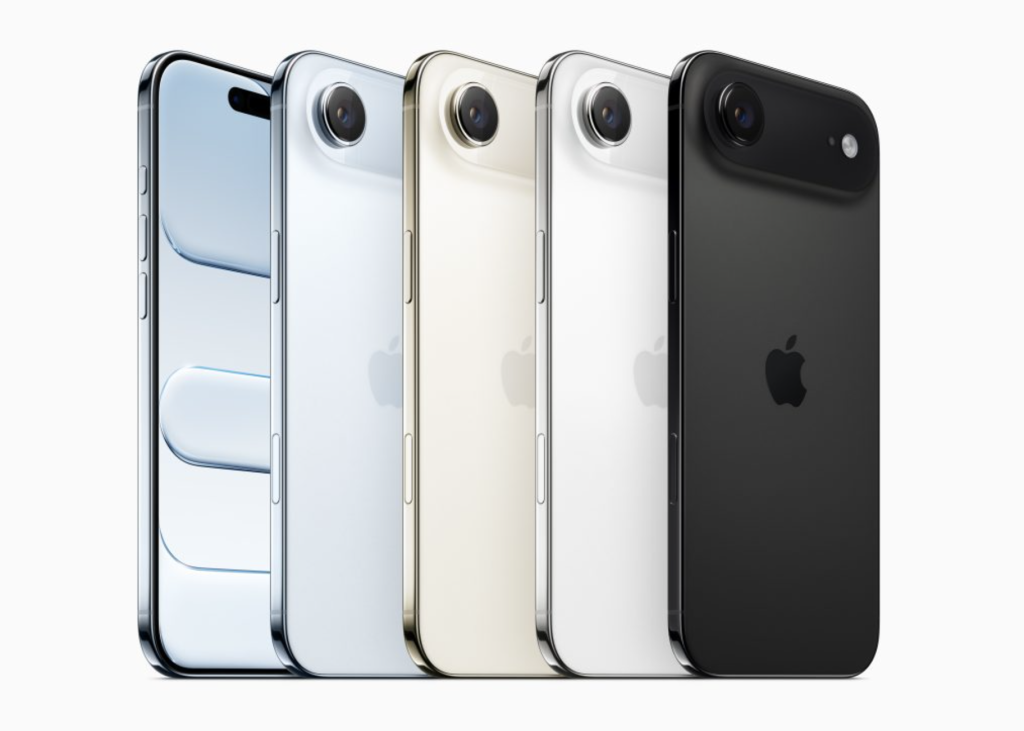
iPhone Air doesn’t support mmWave spectrum bands such as 26 GHz and 40 GHz
The 26 GHz and 28 GHz bands look vulnerable. The mmWave frequencies have been widely licensed, but large-scale deployments are fewer. And usage is tepid. Apple dropped the 26 and 40 GHz from its cheaper Air models since 2025.
It’s also hard to see manufacturers looking favourably on other higher bands, such as 40 GHz and above, should they be licensed.
What else? The problem for mobile operators, and hence manufacturers, is they are hampered by legacy networks: 3G and even 2G networks are still in operation around the world and need to be supported on devices. Mobile operators would prefer to be running 5G-only networks. But transitions between generations of mobile technology are always ongoing and never clear-cut. And once a 2G or 3G network is closed, then operators typically refarm the frequencies for 4G or 5G.
There is an obvious temptation for manufacturers to focus only on the essential bands in future releases. The upper 6 GHz (6425-7125 MHz) is gaining support from a growing number of countries as a 5G and 6G band. This feels like a must-have band for future devices.
WRC-27 will also consider 4.4-4.8 GHz, 7.25-8.4 GHz and 14.8-15.35 GHz for possible IMTInternational Mobile Telecommunications (I… identifications.
The good news is that some forecasters predict the memory crunch will be over by 2030 when new production capacity comes online. That would be in time for 6G. On the other hand, some, such as SK Hynix, are less optimistic that the shortage will be over by then. Even if the rosy scenario plays out, don’t expect manufacturers to be overly excited about adding too many new bands, particularly higher ones, to their devices.
Here is what else PolicyTracker reported on this week:
Ghana abandons national wholesale network and prepares for 5G spectrum auction
Moscow is preparing a 5G auction while operators who are lobbying to obtain spectrum free of charge